6 Step By Step Process To Fix a Clogged Drain
 Nothing takes away from that amazing dinner you had quite like a clogged drain. After all, you know it’s a problem you’ll have to deal with. The same goes for your long and relaxing hot shower. Nothing will put a damper on it quite like finishing your shower ankle deep in water from a clogged drain. Luckily, it doesn’t have to be too difficult to get rid of this problem. With a few tools and some advice that we’re about to share you will be able to tackle this problem with minimal trouble.
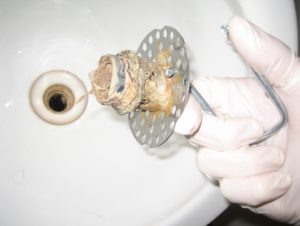
Plumbing Tools To Unblocked a Drain
First, you need to acquire some basic tools that will help assist you when you are looking to unclog things. Here are the main tools you’ll need:
– Plunger
You want a plunger as it is going to help you deliver the required force needed to suction things up.
– Snake
You will want a long snake (minimum 20 feet) and it should be anywhere from 3/8ths to 1/4th of an inch wide.
– Rubber Gloves
You want to have rubber gloves for protection.
– Bucket
You want to have a bucket that you will be able to use to collect water that leaks.
– Adjustable Wrench
You want a wrench that can be fully adjusted for versatile fixes.
– Flashlight
You want to have a handy flashlight that’s ready to use for those times you need to crawl under your sink.
Steps For Unclogging a Clogged Drain:
1. Get Rid Of Standing Water
When you are dealing with this type of issue, the first thing you should be doing is getting rid of any standing water. This water can be very dangerous. It only takes a couple of days for this water to begin breeding dangerous bacteria and mold. Along with minimizing the risk of these things, it can also help to ensure you give yourself room for the extra water you’ll need to unclog the drain later on.
2. Remove Anything Visibly Blocking The Drain
You may find a lot of things visibly blocking the drain. These are debris that you want to remove yourself. This could be hair or virtually anything else. Any unfamiliar noises that are stemming from your garbage disposal should be dealt with because it means there is a clog. To deal with this, you want to turn off the disposal system, unplug the unit, and loosen the clog by manually turning the blades.
3. Boil Salt and Water or Baking Soda and Vinegar
You will want to use these tried and true methods for getting rid of clogs. Simply pour half of a cup of table salt down the drain. After that, you will want to follow it with hot and boiling water. You could also opt for baking soda and vinegar if that doesn’t work. Pour vinegar down the drain and then follow it with boiling water. You could also use baking soda and then follow it with salt. If you are planning on doing this, you should allow it to sit for a good couple of hours and then follow it with water that’s boiling. You can continue to do these steps over and over if there is no success.
4. Use a Plunger
If you find that the boiling water and the different mixtures aren’t working, you should resort to plunging the drain. For this to work, you’ll need to cover the basin overflow hole. That way, you can create much stronger suction due to having a tighter seal. This will ensure that the high-pressure goes straight to the area that’s clogged.
5. Clean The P-Trap
You want to look at the P-Trap when you are dealing with a clog. This is the area towards the curved portion of the drainpipe that sits under the sink. To do this, you should be positioning a bucket underneath. That way, you can minimize the chances of leaking. You want to loosen the nut that keeps the trap arm together. That way, you can reach in and find out what’s causing the blockage.
6. Use a Snake
If you find that the clog still isn’t visible after you complete the above step, you’ll want to move on to snaking the drain. To do this, simply stick the snake into the pipe after you’ve removed the P-Trap. To do it effectively, you should be spinning the snake while pushing it down. Continue to push it downwards until you cannot do it any longer. At that point, you can pull it back out and see whether or not the clog is corrected.
We hope this information has been helpful. If you’re still backed up, you will want to hire a professional plumber. You can contact our Drain Cleaning service for appointment by calling us 24/7. That way, you will be able to get the best possible assessment and fix.
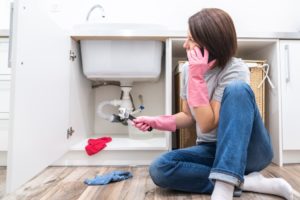
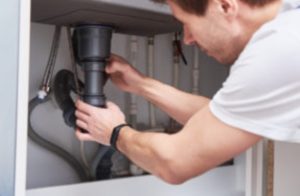 It might seem like professional plumbers are expensive, and this might be true depending upon the type of job that you need done. In some cases, it might be tempted to do the job yourself to try and save some money. Is it a good idea to try to do plumbing jobs yourself, or should you always call upon a professional?
 Your plumbing system is one of the most important systems in your home. If you do not keep it properly maintained, a number of issues can arise and cause you problems. One of the most annoying issues of a plumbing system is a leaking toilet.
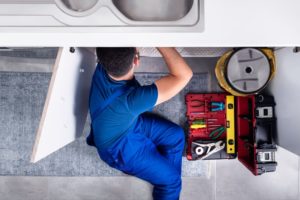 It’s great if you want to handle some plumbing issues on your own. However, many people don’t realize how complicated issues can actually be until they get started. And, even if you’re wanting to call a plumber, you’re relegated to plumbing hours right? Wrong!
 With so many different things happening in your life, it can be very easy to forget about maintaining your plumbing systems. After all, if everything is working and nothing is leaking, you may assume that everything should be perfectly fine. The truth is, regular maintenance is likely to reveal what is really going on with your plumbing and pipes.
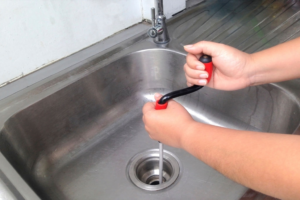 Is your sink taking a little longer to drain? Is there water pooling around your feet when you are in the shower? Is there a strange and unpleasant odor coming from your drains?
 Plumbing systems are important commercially as well as at home. However, research has proven that not many people realize a problem not until it has occurred.